Get articles and updates relevant to your business and industry delivered directly to your inbox.
The journey from ownership to exit
Discover how to increase your chances of achieving a successful business sale.

By: Joel Gauntlett
20 May 2026 6 min read
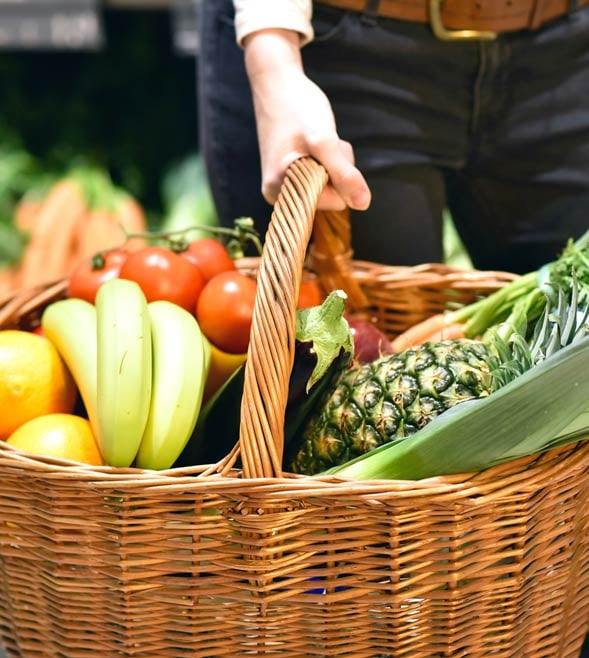
So far, 2026 has rolled on without the disruption feared by business owners across New Zealand’s food sector. Any supply chain disruptions have been negligible in the grand scheme of things, and manufacturers and importers continue to produce goods which means it’s largely business as usual for retailers and wholesalers.
But this stability often isn’t reflected in the results. Cost pressure has become constant rather than periodic for all stakeholders in the industry, and the key to survival is sustained financial discipline.
As we have all seen, fuel, freight and insurance costs have risen in the wake of ongoing disruption in the energy and shipping markets, all of which are impacting packaging, processing and refrigeration costs.
Overseas producers also tend to combat higher costs by reducing the use of fertiliser, trimming marginal production, or delaying planting rather than stopping supply altogether.
The flow on effect for New Zealand businesses dependent on imported goods is tighter global supply later, often long after the initial headlines have faded.
This results in a gradual but sustained upward drift in costs, with limited scope to substitute or absorb increases.
Many contract manufacturers dealing with rising input and energy costs will now be navigating pricing structures that were agreed to under very different market conditions. Costs will also be rising faster than revenue for wholesalers managing higher inventory values, tighter margins and increased working capital demands.
Meanwhile, supermarkets are sitting at a crossroad between these supplier cost increases and customers battling the cost of living. This is causing changes to sales mix and margins rather than immediate declines in volume. In most cases, turnover has not collapsed. Instead, the risks lie in margin compression and cashflow strain, particularly where higher costs are absorbed while pricing discussions lag.
The challenge with the current environment is not unpredictability, but duration combined with timing mismatches - input costs move quickly but pricing recovery takes time.
For manufacturers and wholesalers, this can mean carrying higher cost inventory for longer than planned. For retailers, it often shows up as shifts in category mix toward lower margin lines, increased promotional intensity, or slower inventory turns. Across the chain, pressure tends to appear first in cashflow rather than reported profit.
Left unattended, these effects accumulate quietly, until flexibility is lost.
Across the wider food sector, several common practices are emerging among businesses coping best with ongoing volatility.
Rolling cashflow forecasts updated for current costs and timing, are proving far more useful than static budgets or historic trend analysis.
Rather than relying on blended gross margin, better operators understand margin by product, contract, customer or sales channel. This allows targeted action instead of broad, blunt adjustments.
Businesses are separating cyclical cost movements from structural shifts, documenting cost drivers carefully, and approaching pricing as an ongoing process rather than a one off event.
Inventory levels, stock turn, receivable days and supplier terms are receiving far more attention as balance sheets inflate under cost pressure.
Inflation expands balance sheets before it expands profits. Businesses engaging lenders proactively, with updated forecasts and scenario analysis, are keeping their options open.
Interest rates are materially lower than their 2023/2024 peaks, but there is now clear consensus across banks and markets the bottom of the cycle has passed. From here, rates are expected to remain flat at best or more likely rise modestly if global cost pressures, particularly those that are energy related, persist.
For food businesses, this means the cost of capital is more stable than what we have seen but no longer drifting lower by default. Investment and funding decisions in 2026 need to work at current rates and remain resilient to and tested against higher rates again.
This doesn’t mean investment in your business should move lower down your priority list; it reinforces the need for conservative assumptions, cash generation focus, and allowing sufficient headroom for ongoing disruption.
In the current environment, many of the most valuable insights emerge from asking the right questions early, as they tend to surface risk long before it becomes urgent.
Cost volatility, pricing pressure and cautious consumers are no longer temporary conditions; they are unfortunately now part of normal trading.
Across manufacturing, wholesale and retail, the businesses performing best are not those avoiding pressure, but those managing it deliberately, through visibility, discipline and informed trade offs.
Going forward, the focus for the food sector shouldn’t be predicting the next shock and remaining financially coherent while conditions continue to evolve.
Get articles and updates relevant to your business and industry delivered directly to your inbox.


Discover how to increase your chances of achieving a successful business sale.



Aotearoa has recently seen several high-profile data breaches, affecting healthcare services, a law firm and a community networking site. For companies that experience breaches, the result is significant reputational and financial damage.

It’s been a tough year for local food and beverage manufacturers. Shoppers have cut their retail spending to cope with a rising cost of living and higher interest rates. Per capita retail spending has been falling since January, in tandem with a weakening labour market and rising unemployment.
