Budget 2023
Watch: Grant Thornton New Zealand Post Budget event 2023
Watch: Grant Thornton New Zealand Post Budget event 2023
Filter insights by:
Watch: Grant Thornton New Zealand Post Budget event 2023
Our industry experts share what they wanted to see delivered in Budget 2023 and how this year's announcement impacted some of New Zealand’s key sectors. Read on to discover where the opportunities and roadblocks lie in this year’s announcement.

Initially touted as a “no frills” budget, this year’s announcement largely lived up to that expectation, with few surprises or major initiatives included.

The Budget is an exercise in resource allocation – trying to divvy out a limited pool of money across an almost endless list of New Zealand’s needs and wants. Nearly infinite demand but restricted resources: it’s the underlying challenge for all economics. But with some creative thinking and ideas, Budget 2023 can deliver meaningful outcomes for people and the planet.

In the lead up to last year’s Budget, we wrote about a build-to-rent asset class to incentivise the construction of long-term rentals – and it actually happened. So while we’re on a roll, for Budget 2023 we’re going to be even more ambitious.


With enormous and inexorable spending commitments barrelling toward us, collecting revenue to cover those costs is a priority for the 2023 Budget. But with an election impending, it needs to keep voters sweet, giving them a sugar hit of positive spending, without any unwelcome tax changes.


Unfortunately, New Zealand’s productivity has been lacklustre since the turn of the millennium. We work longer hours, but achieve less output when compared to the OECD average.

NZ IFRS 16 is applicable to all large-for profit entities and aims to improve transparency and comparability in financial reporting by requiring these entities to recognise the full extent of their lease obligations on their balance sheets.


The aged care sector in New Zealand has been neglected for too long by successive governments, and now, we are starting to see the outcomes of this neglect. Care home closures regularly make the headlines, and sentiment from operators within the industry is grim.

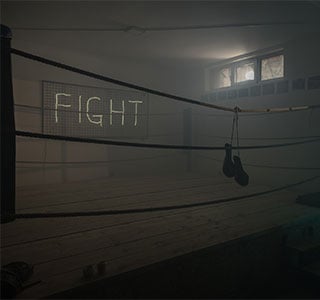
At the moment, the Non for Profit or For Purpose sector (NFP) in New Zealand reminds me of a punch-drunk boxer – a fighter who has taken a heck of a beating in recent years but continues to do good mahi anyway.


General practitioners are under immense pressure – working long hours (often unpaid), facing staff shortages, and experiencing high rates of burnout. Too few young doctors are becoming GPs, leaving the profession facing an exodus as aging practitioners prepare to retire.


As the likelihood of a recession looms, businesses need to avoid self-fulfilling prophecies about hard economic times to come. Instead, now is the time to make sound decisions about future proofing their operations. Think proactivity, not reactivity; opportunities not crises.

Fantastic news on the horizon for Kiwi exporters, as the UK/NZ Free Trade Agreement will likely be ratified later this year, removing tariffs from 99.5% of our current trade into the UK.

Changes are coming to the way retention money is held in the form of The Construction Contracts (Retention Money) Amendment Bill (the Bill).


Naturally, the construction sector is hyper-aware of health and safety – they pride themselves on it. But now is the time the sector must start focussing on mental health. There’s increasing evidence of the mental health challenges being faced by construction workers; the statistics are alarming from a human wellbeing point of view, and lives are being put at risk.


Today, cybersecurity has become a top concern for public sector leaders, as the number and sophistication of breaches continues to increase. If you want to strengthen your agency’s IT defences and understand your current state of cyber-preparedness, we recommend the following steps as part of a wider cyber security maturity assessment.
